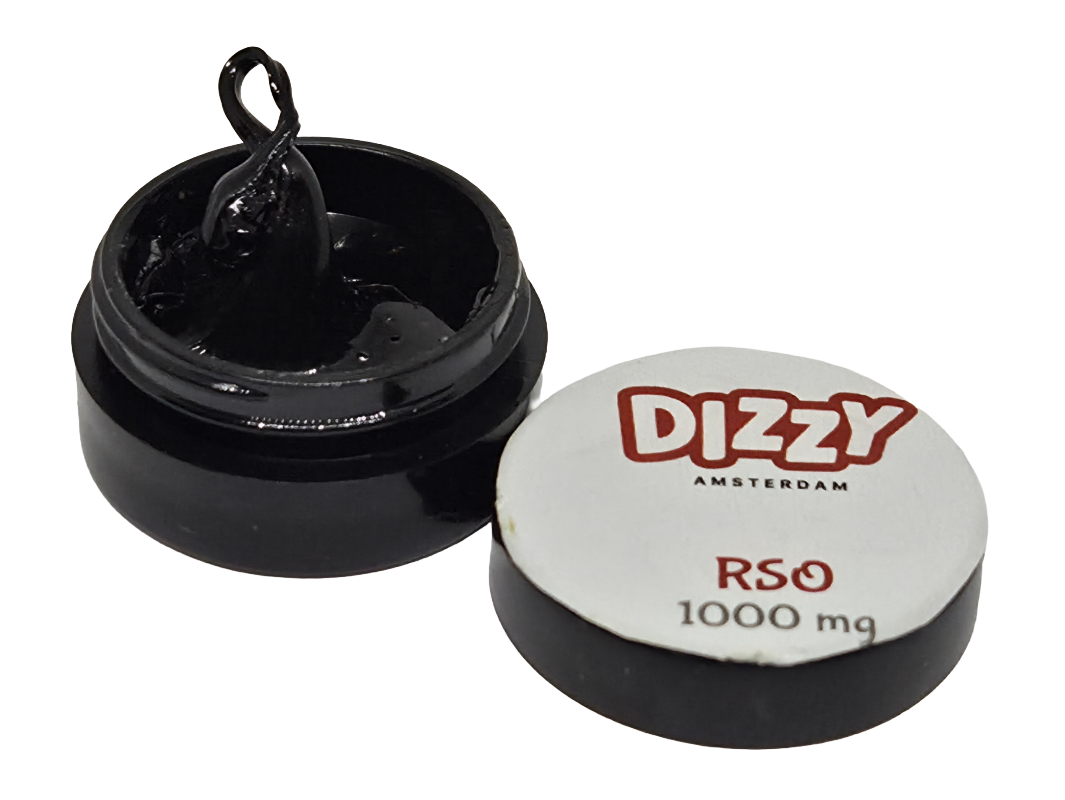







RSO (THC) – 1ml
45,00 €
 100% Quality! Free Shipping on Orders over € 150!

45,00 €
100% Quality! Free Shipping on Orders over € 150!
Rick Simpson Oil is a concentrated cannabis extract named after Rick Simpson, a Canadian medical cannabis activist. RSO is unique because it contains high levels of THC—the primary psychoactive compound in cannabis—and is designed to be a full-spectrum extract, including various cannabinoids and terpenes.
Unlike cannabidiol (CBD) oil, which is often non-psychoactive, RSO contains significant amounts of THC and other compounds thought to work together synergistically. It’s important to note that RSO’s purported benefits are based on anecdotal reports, and there is limited scientific evidence to support its use for medical purposes.
While some individuals report relief from various symptoms when using RSO, it’s important to emphasize that these claims are anecdotal. The FDA has not approved RSO for any medical uses, and scientific research on its efficacy is limited.
Some people explore RSO to alleviate symptoms associated with cancer and its treatments, such as pain, nausea, and appetite loss. While certain cannabinoid-based medications have been studied for managing chemotherapy-induced nausea and vomiting, RSO’s effectiveness and safety in this context are not well-established.
THC interacts with the body’s endocannabinoid system, which plays a role in pain modulation. Some users report that RSO helps manage chronic pain conditions.
However, there is insufficient scientific evidence to conclusively support the use of RSO for pain relief. Patients should discuss pain management strategies with their healthcare providers to determine the most appropriate treatments.
While low doses of THC may have mood-altering effects, high doses can potentially exacerbate anxiety or induce paranoia in some individuals. The impact of RSO on mental health conditions is not well-understood, and using high-THC products may carry risks. Mental health treatments should be guided by qualified professionals.
Research into cannabinoids for neurological conditions such as epilepsy and multiple sclerosis is ongoing. Some cannabinoid-based medications have been approved for specific uses.
Preliminary research into cannabinoids suggests that THC and other compounds may have anti-inflammatory and neuroprotective properties. However, there is no clinical evidence supporting the use of RSO for neurological disorders. Patients should rely on treatments that have been scientifically validated and approved by regulatory agencies.
| Weight | 1000mg RSO ( THC) |
|---|---|
| strenght | 87 % THC ( RSO – Rick Simpson Oil/ Extraction method ) |